
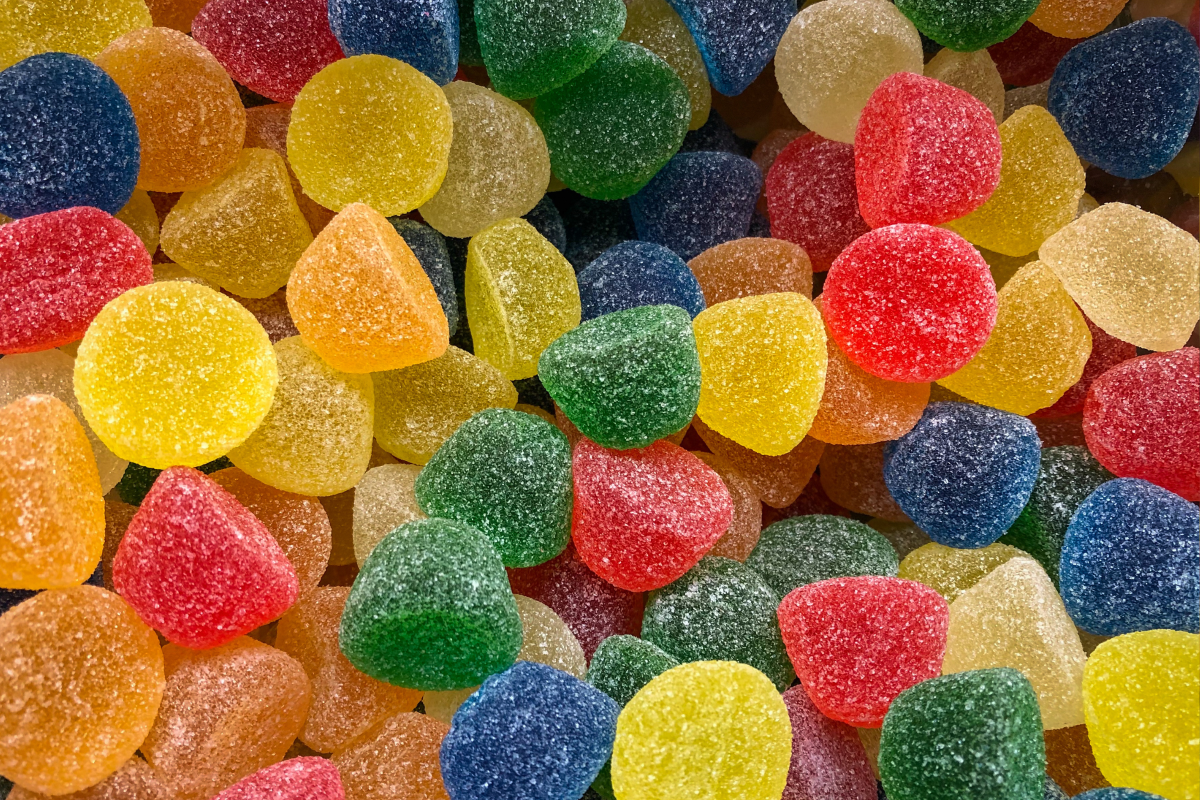
Brightly coloured cereals. Rainbow candies. Neon sports drinks. Vibrant fruit snacks.
Artificial food dyes are found in many of the foods marketed directly to children, yet most parents don’t think twice about them. While these colours make foods look more fun and appealing, growing research suggests they may affect some children differently than others.
Does this mean every child should avoid food dyes? Not necessarily.
But it does mean they’re worth understanding.
What Are Artificial Food Dyes?
Artificial food dyes are synthetic colour additives used to make processed foods, beverages, medications, and even some vitamins look brighter and more appealing. Unlike colours that come naturally from fruits, vegetables, or spices, these dyes are manufactured and added purely for appearance.
Some of the most common artificial colours include:
- Red 40 (Allura Red)
- Yellow 5 (Tartrazine)
- Yellow 6 (Sunset Yellow)
- Blue 1
- Blue 2
They don’t add nutritional value—they simply make food look more colourful.
Where Are They Hiding?
Many parents are surprised by just how often artificial colours appear in foods their children eat. Some of the most common sources include:
- Fruit snacks and gummy candies
- Sports drinks, juice cocktails, and brightly coloured beverages
- Breakfast cereals
- Frosting, colourful baked goods, and decorated cookies
- Children’s chewable vitamins, cough syrups, and some medications
You may also find artificial dyes in popsicles, gelatin desserts, flavoured yogurts, snack foods, and packaged desserts.
The next time you’re grocery shopping, take a moment to turn the package over and read the ingredient list—you may be surprised where these colours are hiding.
Why Do Some Children React Differently?
Every child’s nervous system is unique.
Just as some children are more sensitive to certain foods, environmental allergens, or changes in routine, some appear to be more sensitive to artificial food colours.
Researchers believe this may relate to differences in genetics, metabolism, gut health, or brain chemistry. While scientists are still working to understand the exact reasons, one thing is clear: children do not all respond the same way.
What Does the Research Say?
Research over the past several decades has found that artificial food colours may contribute to increased hyperactivity or behavioural changes in some susceptible children.
This does not mean food dyes cause conditions such as ADHD.
Instead, studies suggest that in certain children—particularly those who are already prone to attention or behavioural challenges—artificial colours may temporarily worsen symptoms such as:
- Increased hyperactivity
- Impulsivity
- Difficulty concentrating
- Emotional outbursts
- Restlessness
Because of this research, several countries have introduced stricter labelling requirements or encouraged manufacturers to reduce the use of certain artificial colours in foods.
The important message is not that food dyes are harmful for every child, but that they may be one factor worth considering if you notice changes in your child’s behaviour.
Become a Label Detective
One of the simplest ways to reduce your child’s exposure is to become familiar with ingredient labels.
Look for names such as:
- Red 40
- Yellow 5
- Yellow 6
- Blue 1
- Blue 2
- Green 3
Don’t rely solely on the front of the package. Foods that appear healthy or are marketed specifically for children can still contain artificial colours.
Simple Dye-Free Swaps
Healthy eating doesn’t have to be complicated. Small changes can make a big difference over time.
Try these easy swaps:
- Replace brightly coloured sports drinks with water or coconut water.
- Choose fresh fruit instead of fruit snacks.
- Make homemade popsicles using blended fruit and yogurt or coconut milk.
- Swap colourful breakfast cereals for oatmeal topped with berries and cinnamon.
- Choose treats coloured naturally with fruit or vegetable juices instead of artificial dyes.
Remember, progress—not perfection—is the goal.
Looking at the Bigger Picture
Nutrition is just one piece of a child’s overall health.
Healthy nervous system development is supported by many everyday habits, including:
- Consistent, restorative sleep
- Plenty of outdoor movement and play
- Whole, nourishing foods
- Meaningful family connection
- Time away from screens
- Opportunities for rest and recovery
No single food determines a child’s health. Instead, it’s the small, consistent choices we make each day that create the strongest foundation for growth and development.
Where Chiropractic Fits In
At Elmira Family Chiropractic, we believe in looking at the whole child.
While chiropractic care is not a treatment for ADHD or behavioural disorders, our focus is on supporting the healthy function of the nervous system so children can better adapt to the physical, emotional, and environmental demands of everyday life.
When spinal health, movement, nutrition, sleep, and healthy lifestyle habits are all working together, children have the best opportunity to learn, grow, and thrive.
The Bottom Line
Artificial food dyes may not affect every child, but for some children they can play a role in behaviour, attention, and emotional regulation.
If you’ve noticed your child seems different after eating brightly coloured processed foods, consider becoming a label detective for a few weeks. You may find that a few simple changes make a noticeable difference.
At the end of the day, healthy kids aren’t built by one perfect meal or one perfect decision. They’re supported through countless small choices that nourish their growing bodies, developing brains, and resilient nervous systems—one day at a time.